How to Tell If It’s a Herpes Rash
Understanding the Herpes Rash: Symptoms and Differentiation
According to the World Health Organization, the herpes simplex virus (HSV) affects more than 4 billion people worldwide, making it one of the most common infections globally.
There are generally two types of herpes: HSV-1 (primarily associated with oral herpes or cold sores) and HSV-2 (primarily associated with genital herpes). Both types are lifelong infections. While many patients are often asymptomatic, symptoms can manifest as painful blisters and rashes around the oral or genital area, known as a herpes rash.
With so many skin diseases causing rashes and blisters, it can be hard to tell if your rash is caused by herpes. Here is a guide on how to identify a herpes rash.
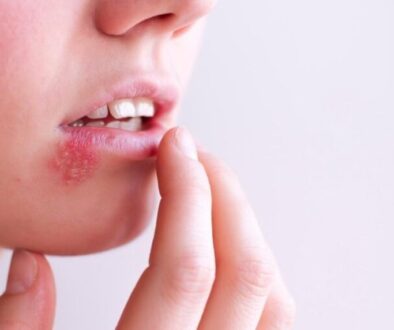
What Does a Herpes Rash Look Like?
A herpes rash typically follows a distinct pattern, moving from sensation to blistering to healing.
Appearance and Location
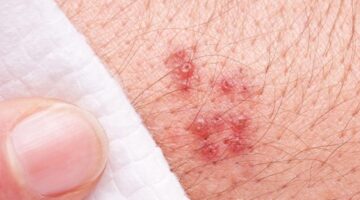
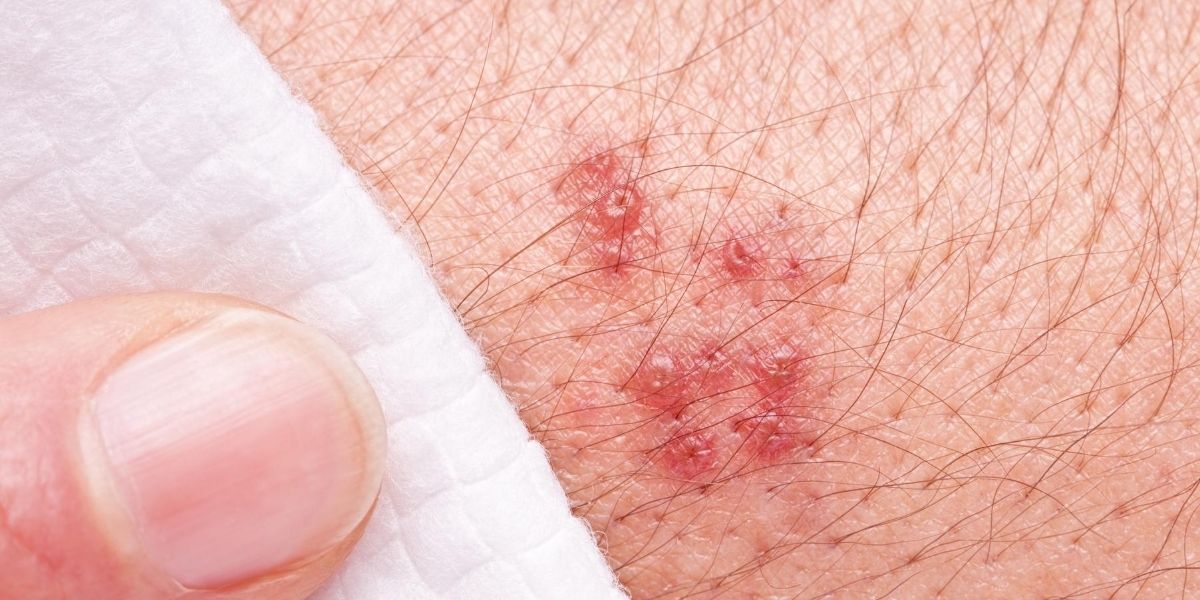
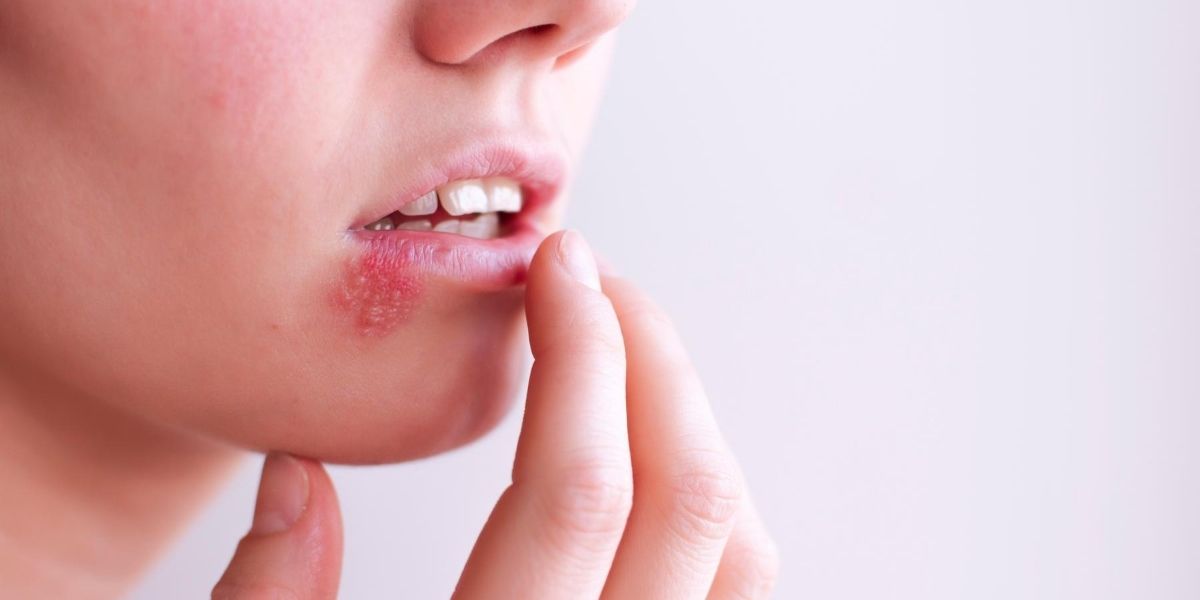
Herpes rashes often look like red spots or sores. They commonly develop around the mouth, nose, and lips (HSV-1) or on the genital and anal areas (HSV-2). They can also appear on any other part of the body where the virus was contracted.
Stages of an Outbreak
The progression of a herpes rash is highly characteristic:
-
Prodrome: You may first feel an itchy, burning, tingling, or painful sensation around the affected area a day or two before the sores appear. In some cases, you may also feel a burning sensation when you urinate.
-
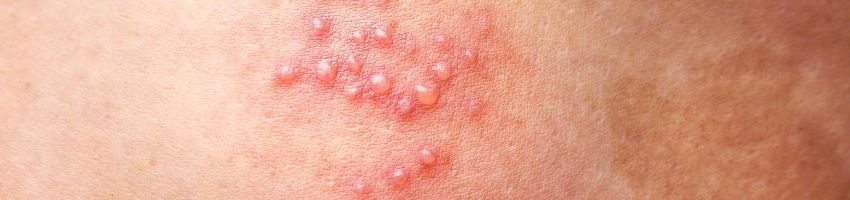
Blisters: Small pouches or boils filled with clear fluid (vesicles) appear. These sores are often tender and painful to the touch.
-
Rupture and Scab: These fluid-filled pustules will then rupture, ooze liquid, and eventually form a crust or scab, all typically within a matter of 7 to 10 days.
If this is your first HSV outbreak, it should be quite painful and severe. Subsequent outbreaks usually lessen in pain and severity over time.
Herpes Rash vs. Other Skin Conditions
Because many illnesses cause skin rashes, it’s important to understand the distinctions. Here is how a herpes rash differs from common skin conditions:
| Condition | Cause | Primary Appearance | Key Differentiating Factor |
| Contact Dermatitis | Allergic reaction (soaps, jewelry, irritants) | Itchy, flaky, red, irritated patches. | Lacks the distinct fluid-filled vesicles and crusting cycle of herpes. |
| Shingles (Herpes Zoster) | Varicella-Zoster Virus (causes chickenpox) | A stripe of blisters usually localized to one side of the body (torso, neck, or face). | Herpes Zoster follows nerve pathways, causing a unilateral striped pattern, unlike HSV. |
| Rosacea | Chronic skin disease | Red bumps, facial flushing, and swelling, often on the cheeks and nose. | Primarily a facial skin sensitivity issue, not characterized by vesicular fluid-filled sores. |
| Eczema | Chronic inflammatory skin condition | Itchy red/white scaly patches that tend to flake off; skin may appear greasy or oily. | Characterized by scaling and flaking, not a cycle of clear, fluid-filled pustules. |
| Genital Warts | Human Papillomavirus (HPV) | Flesh-colored bumps in the genital area. | Usually painless and do not develop into fluid-filled pustules that rupture. |
Management and Wellness Support
Herpes is a lifelong infection. The rashes will heal, but the infection remains in the body and can recur. While there is no cure, you can take steps to manage symptoms and support your overall well-being during an outbreak.
During an outbreak, focus on relieving pain and discomfort:
-
Pain Relief: Take over-the-counter pain relievers like acetaminophen or ibuprofen.
-
Cold Compress: Apply a clean, cold compress to the affected areas.
-
Protection: Apply a thin layer of petroleum jelly to the sores to protect them and reduce irritation.
-
Clothing: Wear loose-fitting clothes to minimize contact with the affected area.
-
Hygiene: Wash the affected area gently with plain water.
Medical Treatment
The standard medical approach involves antiviral medications such as acyclovir and valacyclovir, which can be prescribed by a healthcare professional to reduce the severity and duration of the outbreak, or be used daily as suppressive therapy.
Prevention and Wellness Strategies
Most prevention efforts focus on boosting your immune system and reducing known triggers:
-
Stress Management: High stress and anxiety can poorly affect the immune system. Practice mindfulness, meditation, or light exercise.
-
Rest: Get enough rest and quality sleep for your body to function correctly and keep your immune system healthy.
-
Healthy Diet: Eat healthy, balanced food and avoid excessive sugar, processed foods, or fried food that can be detrimental to your health.
-
Protection: If you are sexually active, use barrier methods (condoms) and communicate openly with your partner to minimize transmission risk
Suffering From Herpes Type 2 Outbreaks?
In addition to conventional methods, some individuals choose to use dietary supplements to support their immune function.
Products like Herpezine are formulated as an over-the-counter option, featuring ingredients such as L-Lysine HCI and Bee Propolis. These supplements are intended to provide nutritional support and help the body maintain its natural defenses, thereby supporting overall wellness.
Important Note: A supplement is not a replacement for medical treatment. If you suspect you have a herpes rash, always consult a healthcare professional for diagnosis and prescribed antiviral therapy.
Disseminated Herpes: Definition, Cause, Symptoms and Treatments
Published May 31, 2021 According to the World Health Organization, about 3.7 billion people in the world are suffering from herpes. This makes the herpes simplex virus (HSV) an especially widespread virus across the world. As such, many of us are already familiar with how herpes works. But there are instances when a simple case […]
How to Know If The Bump on The Roof of Your Mouth is Due to Herpes
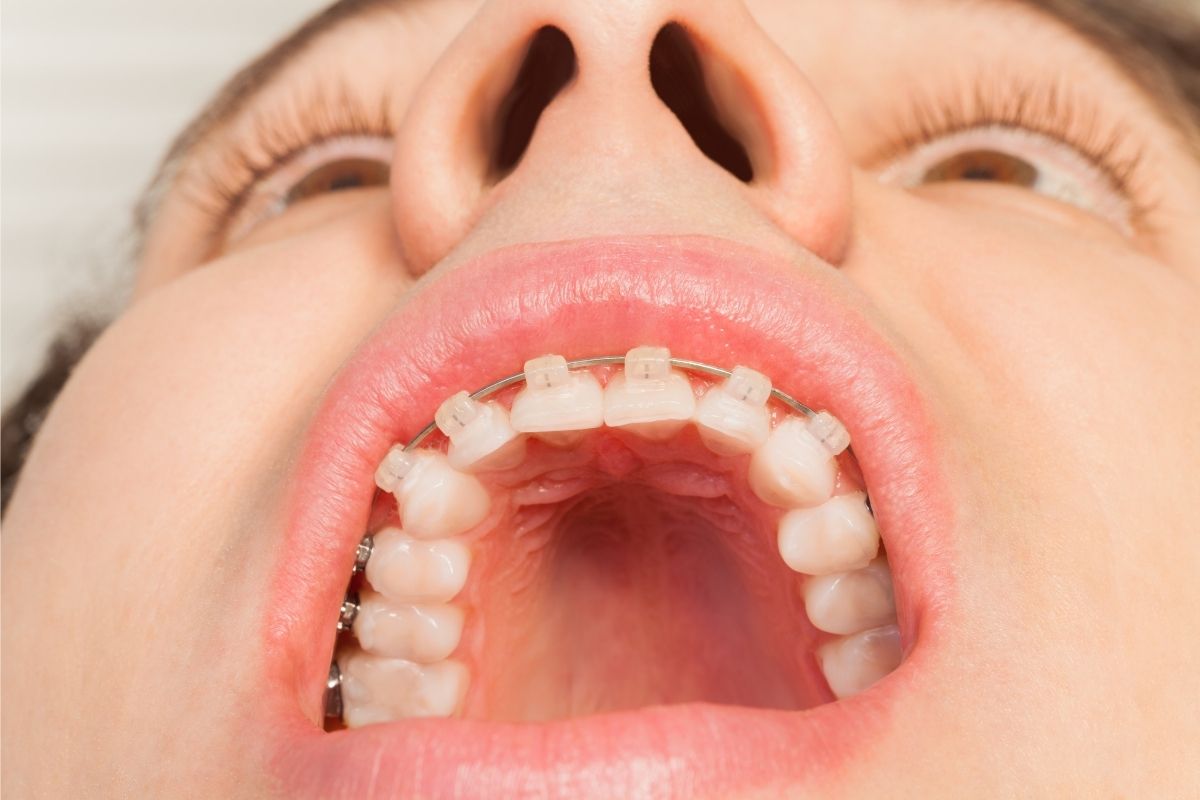
While feeling bumps on the roof of your mouth may be alarming, they aren’t always harmful. Here, we discuss those bumps and their relationship with herpes.
Bacterial vs. Viral Infection: The Key Differences
Published April 5, 2021 Over the years, there have been inevitable confusion between bacterias and viruses. Some individuals cannot seem to conclude if bacterias and viruses are the same things or not. The truth is that the two are very much different in various aspects. You must know how to tell the difference between a […]
Can Herpes Affect Your Immune System?
Published April 5, 2021 Explaining whether or not herpes can weaken or boost the immune system is not as simple as you think it may be. Studies conflict as to whether or not the Herpes virus affects your entire immune system. This article will hopefully shed some light and answer the question: does herpes weaken […]